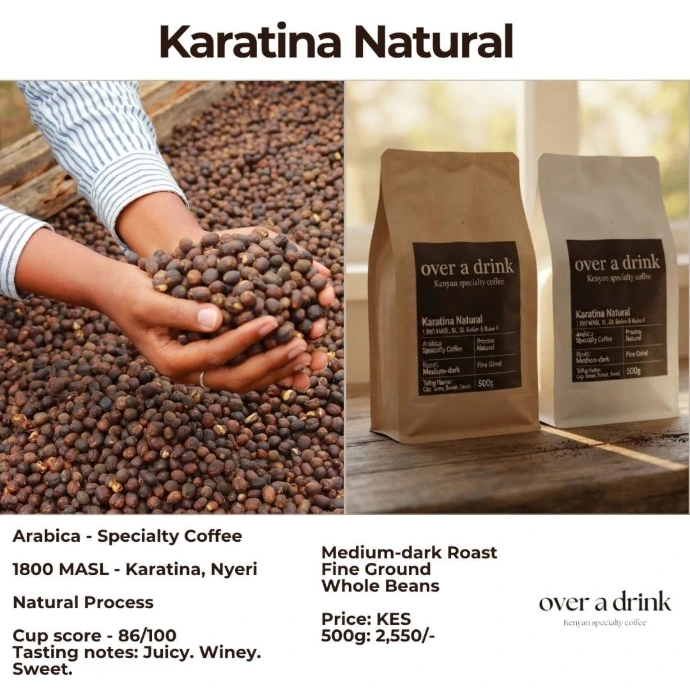
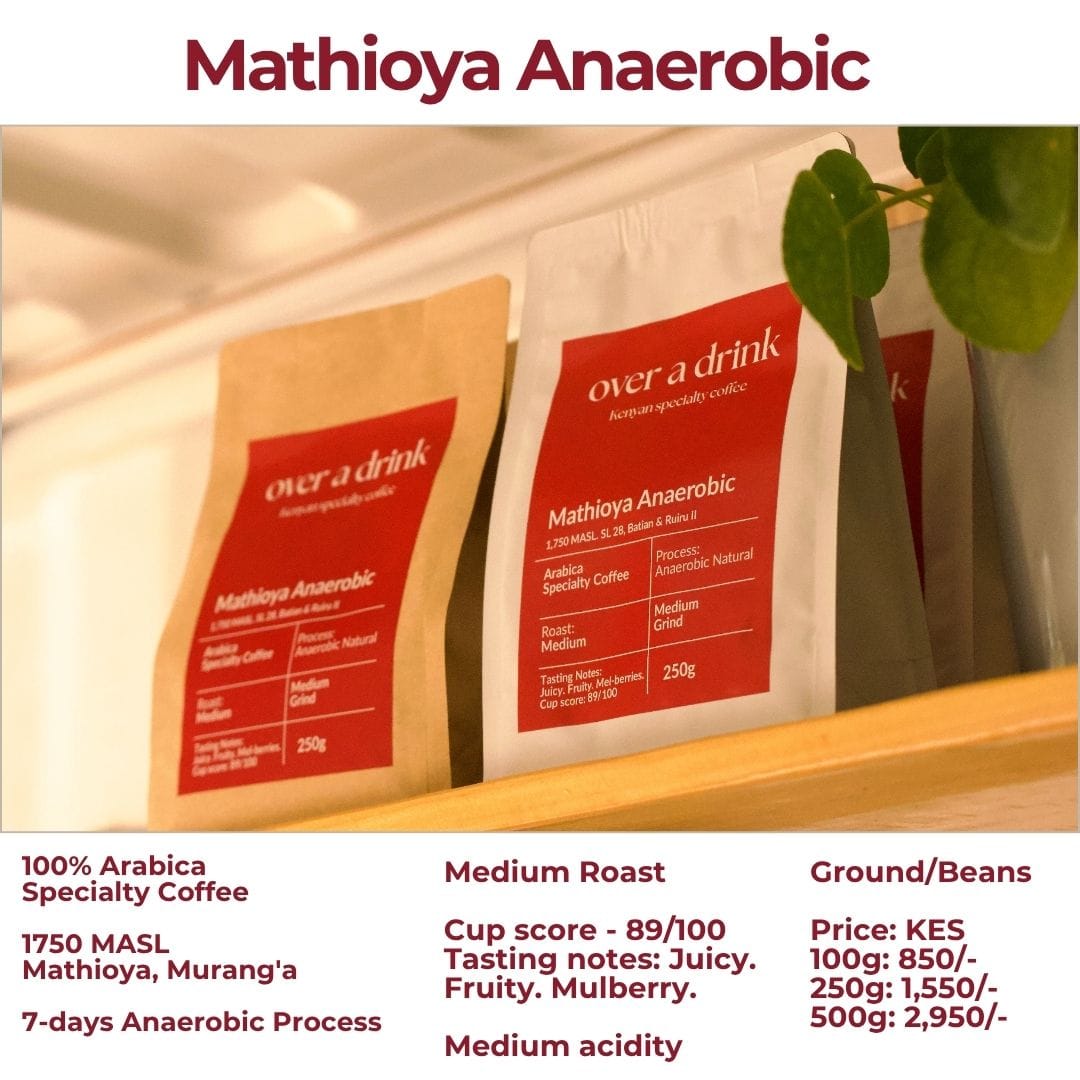
"Expensive."
It's one of the first words people use when they pick up a bag of specialty coffee for the first time.
A customer walks into a café or specialty coffee shop, sees a beautifully packaged 250-gram bag of Kenyan coffee priced at KES 1,500—or perhaps even KES 2,000—and instinctively compares it to the supermarket coffee they've been buying for years.
The question almost asks itself. "Is it really worth it?" It's a fair question. After all, coffee is coffee... isn't it?
Not quite.
The difference between commercial coffee and specialty coffee isn't just branding or clever packaging. It begins long before the beans reach a roaster, stretching back to the farm, the washing station, the drying beds, and the countless decisions made by people who refuse to compromise on quality.
Let's unpack what you're really paying for when you choose Kenyan specialty coffee.
Quality Begins Long Before the Roast.
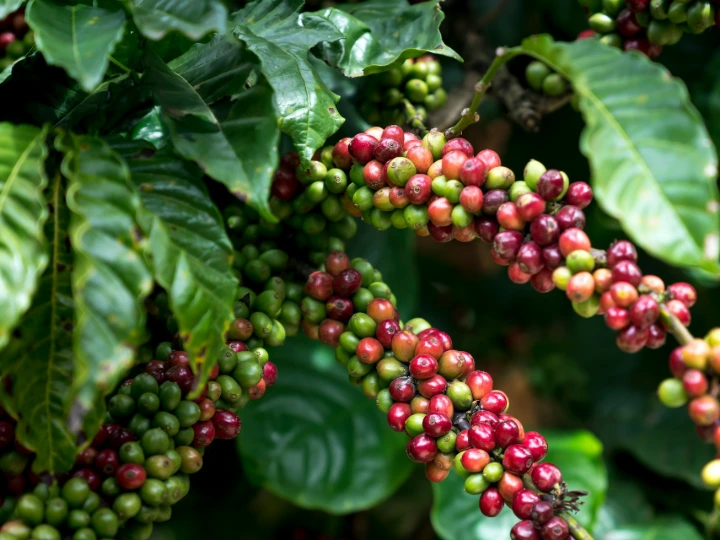
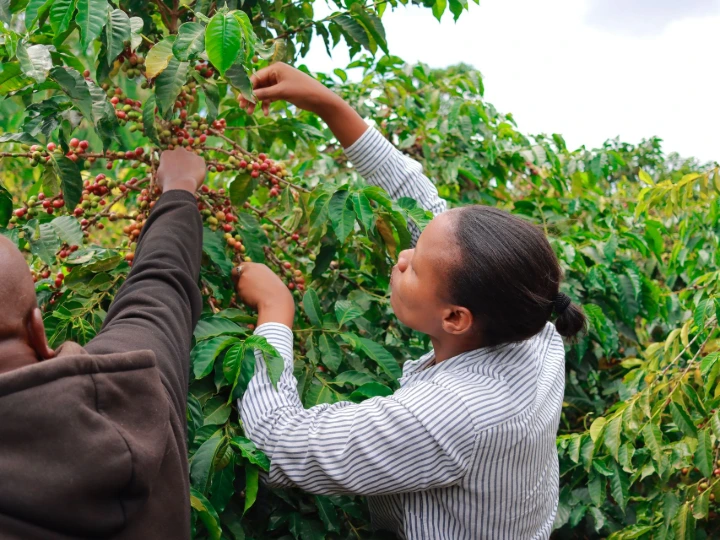
Every memorable cup starts with a remarkable cherry. Unlike commercial coffee, where speed and volume often take priority, specialty coffee demands precision at every stage. Farmers selectively pick only ripe cherries, often returning to the same tree multiple times during harvest. Unripe and overripe cherries are left behind because even a small percentage of defects can change the flavour of an entire lot.
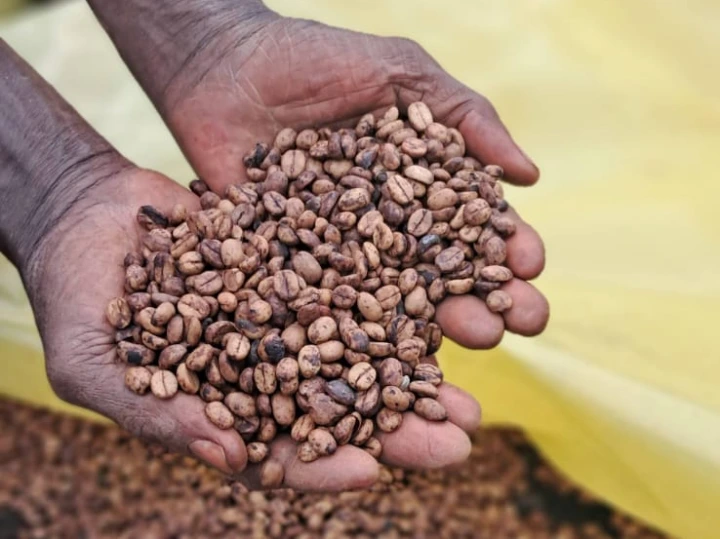
That extra labour comes at a cost. Then comes careful processing. Whether washed, honey, or natural, specialty coffee requires close monitoring of fermentation, drying, moisture content, and storage conditions. Raised drying beds, regular turning, moisture testing, and meticulous sorting all require time, equipment, and skilled people.
Quality isn't accidental. It's cultivated.
The Cost of Excellence.
One of the biggest misconceptions is that specialty coffee costs more simply because someone decided to charge more. In reality, producing exceptional coffee is considerably more expensive.
Consider everything that goes into one harvest:
selective hand-picking
better farm management
fertiliser and soil nutrition
disease control
processing infrastructure
trained factory staff
quality analysis and cupping
careful milling and grading
premium packaging
skilled roasting
Each step adds cost—but each also adds value. Think of it like building a house. Using better materials, hiring experienced craftsmen, and paying attention to every detail inevitably increases the final cost. The same principle applies to coffee.
The goal isn't simply to produce coffee. It's to produce coffee worth remembering.
What You're Actually Buying
When people purchase specialty coffee, they're often focused on the beans themselves. But they're buying much more than that. They're buying consistency, traceability, transparency. They're buying freshness.
They're buying the confidence that someone has tasted, evaluated, and refined that coffee before it ever reaches their cup. Many Kenyan specialty coffees can be traced back to a specific cooperative, washing station, estate, or even a single day's picking.
That level of detail doesn't happen by chance. It requires an entire supply chain built around quality rather than quantity.
The Value Beyond the Cup.
Perhaps the biggest difference isn't found in the flavour at all. It's found in where your money goes.
When specialty coffee is sourced responsibly, higher prices help support:
better returns for producers
investment in processing facilities
farmer training
sustainable farming practices
improved quality year after year
No single purchase transforms an industry overnight. But collectively, consumers who choose quality create incentives for producers to keep investing in better coffee. It's a cycle where everyone benefits.
Farmers improve quality. Roasters access exceptional beans. Consumers enjoy extraordinary coffee. The entire value chain becomes stronger.
Does Paying More Always Mean Better Coffee?
Not necessarily. Price alone should never be mistaken for quality. A beautifully designed bag doesn't guarantee an exceptional roast. An expensive coffee can still be poorly stored, over-roasted, or badly brewed.
That's why buying from knowledgeable roasters and trusted cafés matters just as much as choosing specialty coffee itself. The best specialty roasters are transparent. They tell you where the coffee came from.
They explain how it was processed. They roast with intention rather than mystery. In other words, they let the coffee speak.
Specialty Coffee Is About Experience
Imagine listening to your favourite song through an old radio with poor reception. Now imagine hearing that same song through a high-quality sound system. The music hasn't changed.
Your ability to experience it has.
Specialty coffee works much the same way. It reveals flavours that many people never knew coffee could have. Blackcurrant, Orange zest, Stone fruit, Caramel, Jasmine, Brown sugar, chocolate.
These aren't flavours added during roasting.
They're naturally present, waiting to be discovered through careful farming, processing, roasting, and brewing. Once you've experienced that complexity, it's surprisingly difficult to go back.
Is It an Expense... or an Investment?
Perhaps the better question isn't whether specialty coffee costs more. It's whether it delivers more. For some people, coffee is simply fuel. For others, it's part of a morning ritual.
A conversation starter. A craft. An agricultural story told through flavour. If you're buying Kenyan specialty coffee, you're investing in freshness, craftsmanship, transparency, and one of the world's most celebrated coffee origins.
You're also investing in the people who make that experience possible—from the farmer who picked only ripe cherries to the roaster who spent hours refining the perfect roast profile.
Final Sip
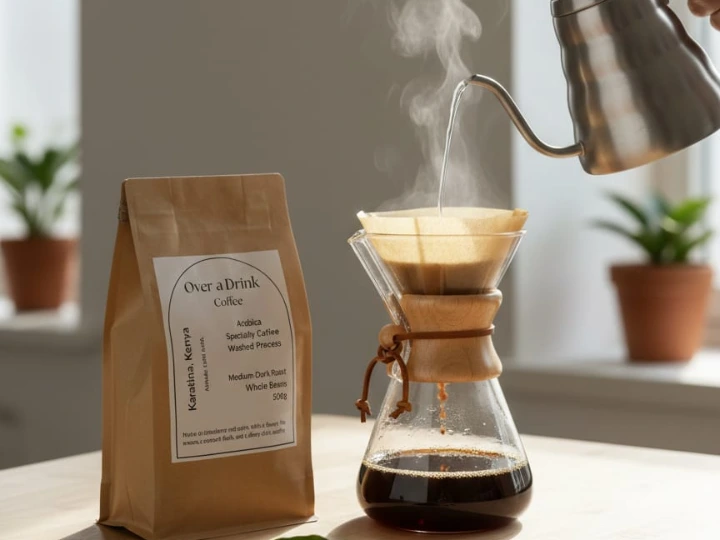
Kenyan specialty coffee asks for a little more from your wallet. But it also gives considerably more in return. It offers complexity instead of uniformity. Character instead of anonymity. Stories instead of slogans.
So the next time you find yourself hesitating over the price of a bag of specialty coffee, remember this:
You're not simply buying coffee. You're investing in everything it took to make that extraordinary cup possible. And sometimes, the best investments are the ones you can savour, one sip at a time.