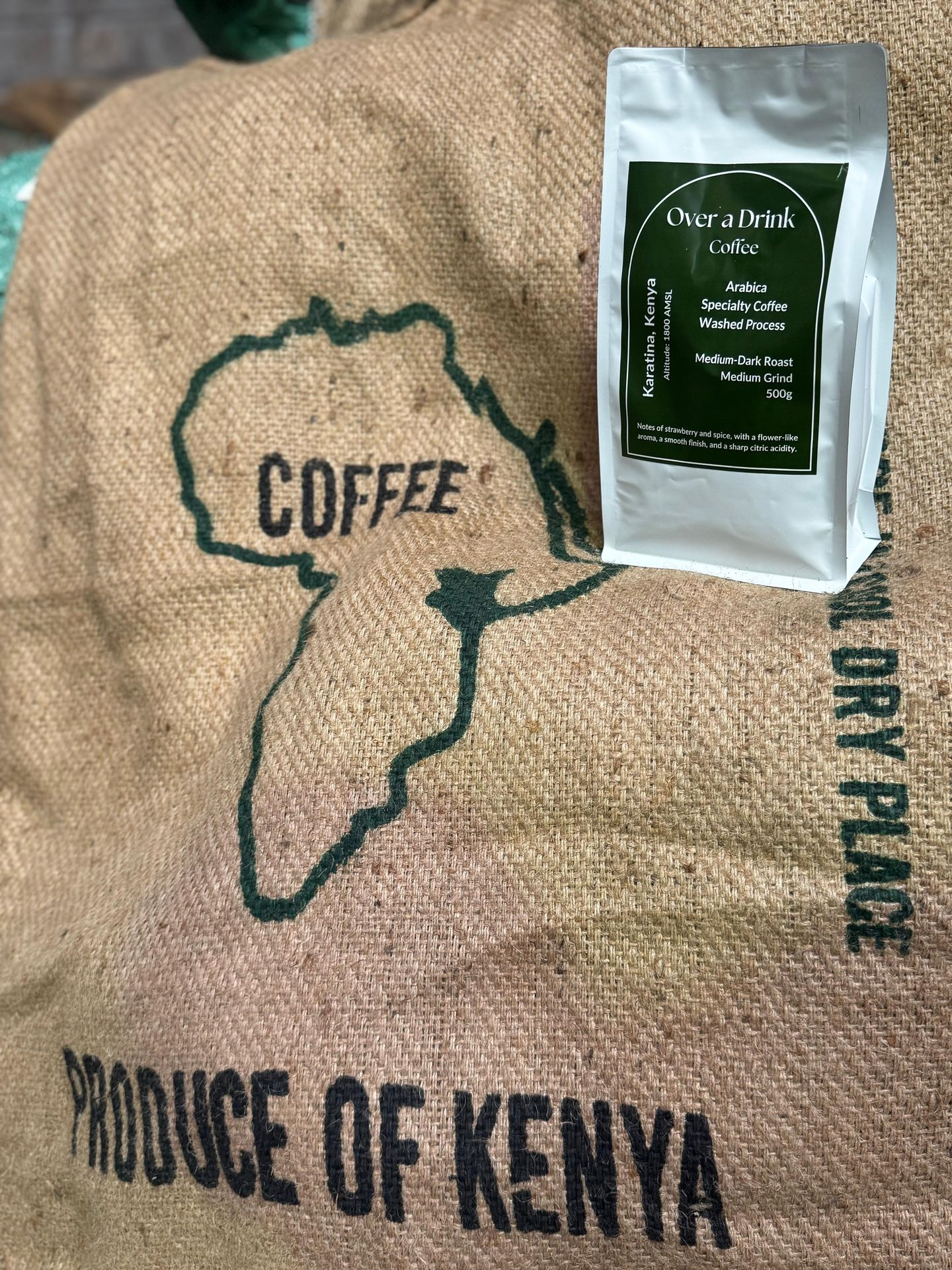
Ask a room full of coffee professionals to name a coffee they can recognise blind, and one answer appears again and again: Kenya.
Not because Kenyan coffee is simply “good.” Plenty of origins produce excellent coffee. What makes Kenya remarkable is its distinctiveness. When Kenyan coffee is at its best, it carries a signature that cuts through the noise of the global coffee landscape.
The brightness. The structure. The unmistakable blackcurrant-like acidity. The clarity that makes each sip feel almost architectural.
But those famous flavours don’t appear by accident. They are the result of a unique combination of geography, varieties, processing traditions, and a coffee culture that has been refining quality for generations.
So what exactly makes Kenyan coffee special?
Let’s take a closer look.
Geography: The Gift of Altitude and Volcanic Soils
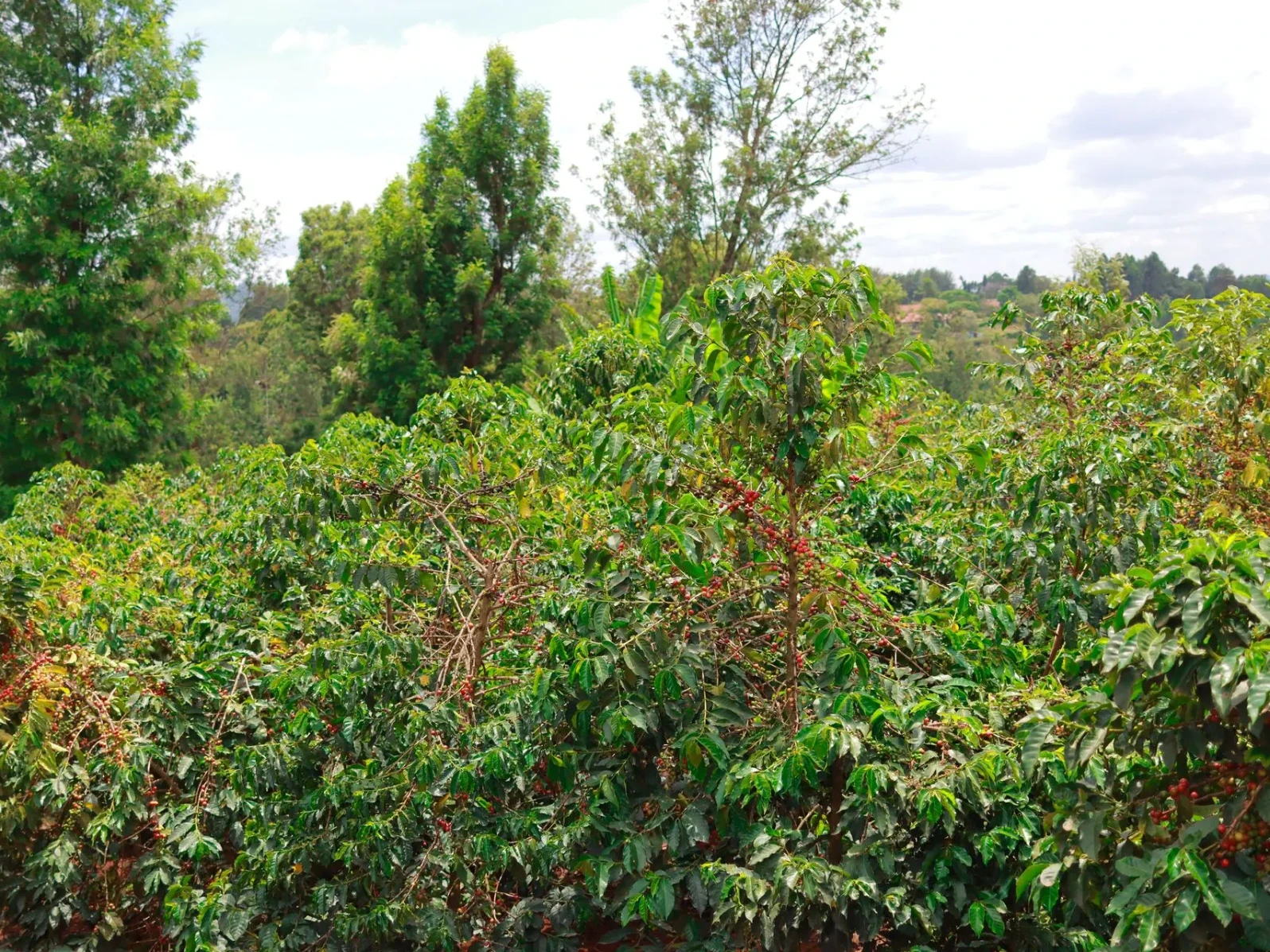
Kenya’s coffee grows mostly along the slopes surrounding Mount Kenya and the Aberdare Range — landscapes shaped by ancient volcanic activity. The Mount Kenya massif in particular has become almost mythical in coffee circles.
Farms spread across Nyeri, Kirinyaga, Embu, and parts of Meru benefit from high elevations, cool nights, and dramatic day–night temperature swings that slow cherry maturation and intensify flavour development. These regions sit at elevations that typically range between 1,500 and 2,100 metres above sea level, creating ideal conditions for slow cherry development.
Altitude matters because cooler temperatures slow the ripening process. The coffee cherry matures gradually, allowing sugars and organic acids to develop in greater complexity. The result is the lively acidity and dense flavour structure that Kenyan coffees are famous for.
Then there is the soil. Much of Kenya’s coffee belt sits on deep, red volcanic soils, rich in minerals and naturally well-draining. Coffee trees thrive here, producing cherries with impressive flavour concentration.
Combine high altitude, volcanic soils, reliable rainfall patterns, and equatorial sunlight, and you have a natural environment that is almost purpose-built for exceptional coffee.
Nature lays the foundation. But Kenya’s advantage doesn’t stop there.
The Varieties: Built for Quality
Another key part of Kenya’s reputation lies in its coffee varieties.
While many producing countries rely heavily on varieties selected primarily for disease resistance or yield, Kenya became known for cultivars that prioritise cup quality.
Two names dominate the conversation: SL28 and SL34.
These varieties were selected in the 1930s by Scott Agricultural Laboratories (hence the “SL” prefix). Decades later, they remain among the most respected coffee cultivars in the world. SL28 is particularly famous for its vibrant acidity and expressive fruit character, while SL34 is known for its deeper body and wine-like complexity.
More recently, newer varieties such as Ruiru 11 and Batian have entered the landscape. These were developed to improve disease resistance and productivity while preserving much of the flavour profile that made Kenyan coffee globally admired.
Together, these varieties form a genetic backbone that consistently delivers coffees with clarity, intensity, and character.
The Processing Tradition: Precision at the Factory
If Kenyan coffee has a secret weapon, it may be found at the wet mill — or factory, as it is locally known.
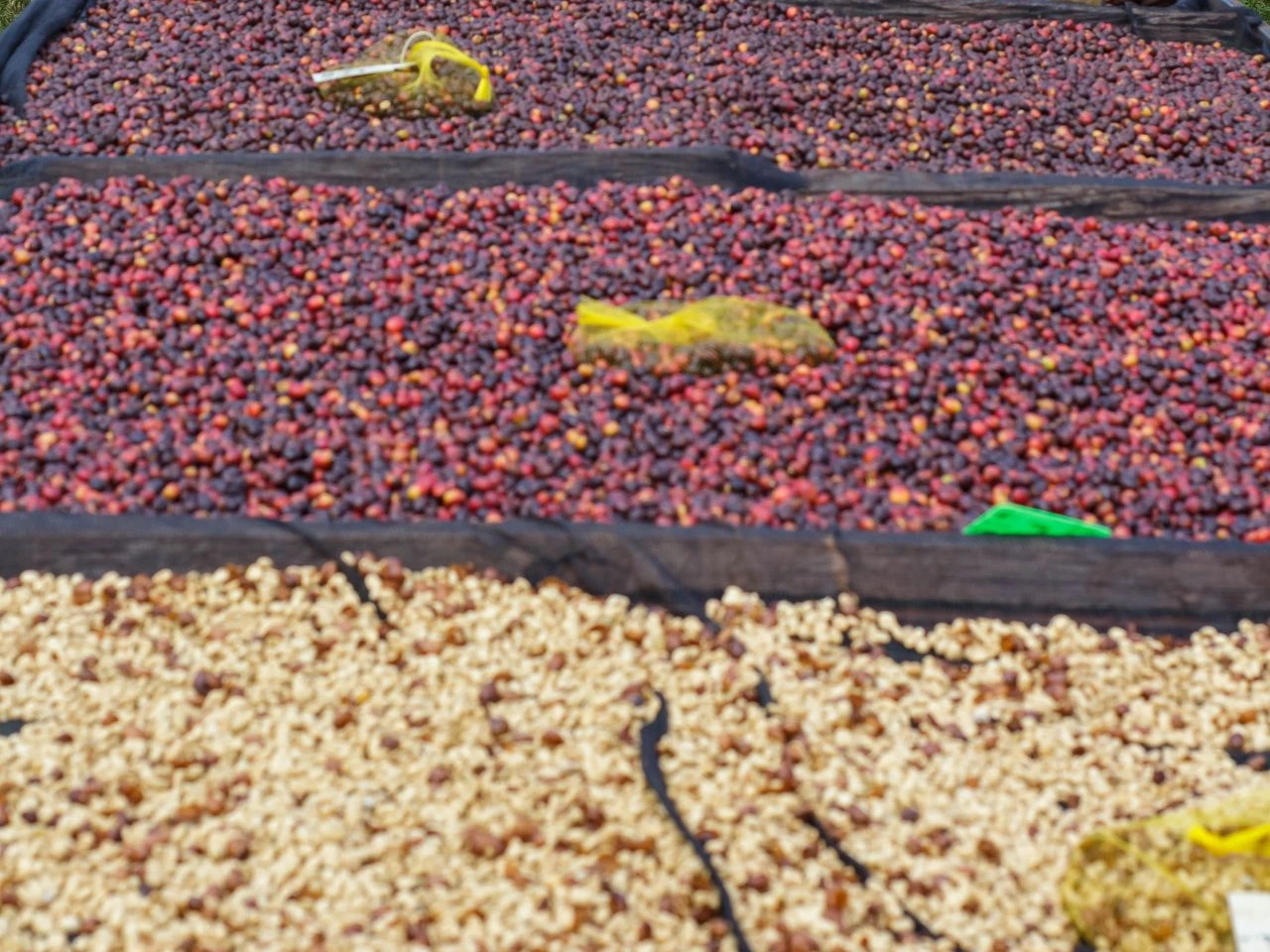
Kenya’s washed processing tradition is one of the most meticulous in the coffee world. Cherries are typically delivered to cooperative factories the same day they are picked, sorted carefully, pulped, fermented, washed, and then dried slowly on raised beds.
The fermentation stage, in particular, has become something of an art form. Controlled fermentation breaks down the mucilage surrounding the parchment, enhancing clarity and brightness in the cup.
Many Kenyan factories also use soaking stages, where coffee is held in clean water after fermentation. This step is believed to contribute to the remarkable transparency and sparkling acidity often found in the final cup.
Drying then takes place slowly under the sun, with parchment turned regularly to ensure even moisture loss. Every step prioritises precision. And precision shows up clearly when the coffee is brewed.
Structure in the Cup: The Kenyan Profile
When coffee professionals talk about Kenyan coffee, they often describe it in almost architectural terms.
A classic Kenyan profile might feature:
- bright, vibrant acidity.
- intense berry or blackcurrant notes.
citrus or tropical fruit complexity.
structured sweetness.
a clean, lingering finish.
What makes Kenyan coffee stand out is not just flavour intensity, but clarity. Individual notes appear sharply defined rather than blurred together. It’s the difference between listening to an orchestra where each instrument is audible versus hearing a single blended sound.
This clarity makes Kenyan coffees particularly prized on cupping tables, in competitions, and among specialty roasters who value coffees with strong identity.
Put simply, Kenyan coffee rarely tastes anonymous.
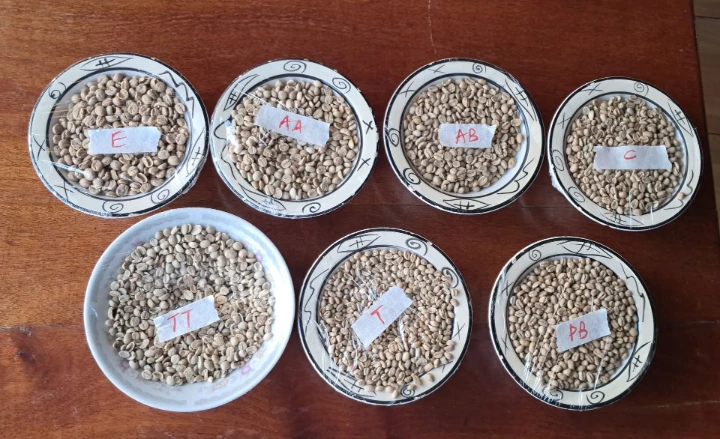
For many buyers and consumers, the experience of Kenyan coffee is also linked to its famous grading system. Labels such as AA, AB, PB, and others refer primarily to bean size and screen grading after milling, not necessarily flavour quality.
While larger beans like AA often attract attention in the market, exceptional cups can appear across several grades. Understanding this system helps drinkers appreciate that Kenya’s reputation is built not just on big beans, but on the remarkable character found throughout the harvest.
The Human Factor: Knowledge, Pride, and Tradition
Behind every remarkable coffee are the people who grow, process, and refine it.
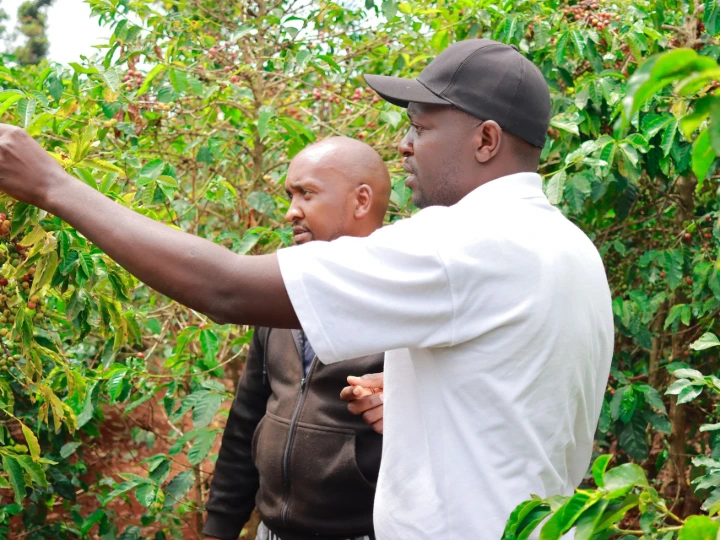
Kenya’s coffee system — from smallholder farmers to cooperative factories, millers, exporters, and quality professionals — has developed a deep culture of quality awareness.
Farmers are highly attentive to selective picking. Factory managers monitor fermentation and drying closely. Millers sort and grade with remarkable precision.
And across the country, cupping — the practice of tasting coffee systematically — is taken seriously. Feedback loops between producers, buyers, and roasters have gradually sharpened the national understanding of what exceptional Kenyan coffee should taste like.
It is a culture built over decades. That shared knowledge helps explain why Kenyan coffees continue to perform so consistently on the global stage.
A Coffee That Carries Its Origin
Many coffees are enjoyable. Fewer are instantly recognisable.
Kenyan coffee belongs to that rarer category. When conditions align — altitude, varieties, careful processing, and skilled roasting — the result is a cup that expresses its origin with remarkable clarity.
It is bright but balanced. Intense yet elegant. Complex but unmistakably Kenyan. For coffee drinkers around the world, that signature profile has become something to look forward to every harvest season.
And for those closer to the source, from the slopes of Mount Kenya to cafés in Nairobi, it remains a reminder that extraordinary coffee begins long before the kettle boils.
Writer: Gakuo Wanjohi