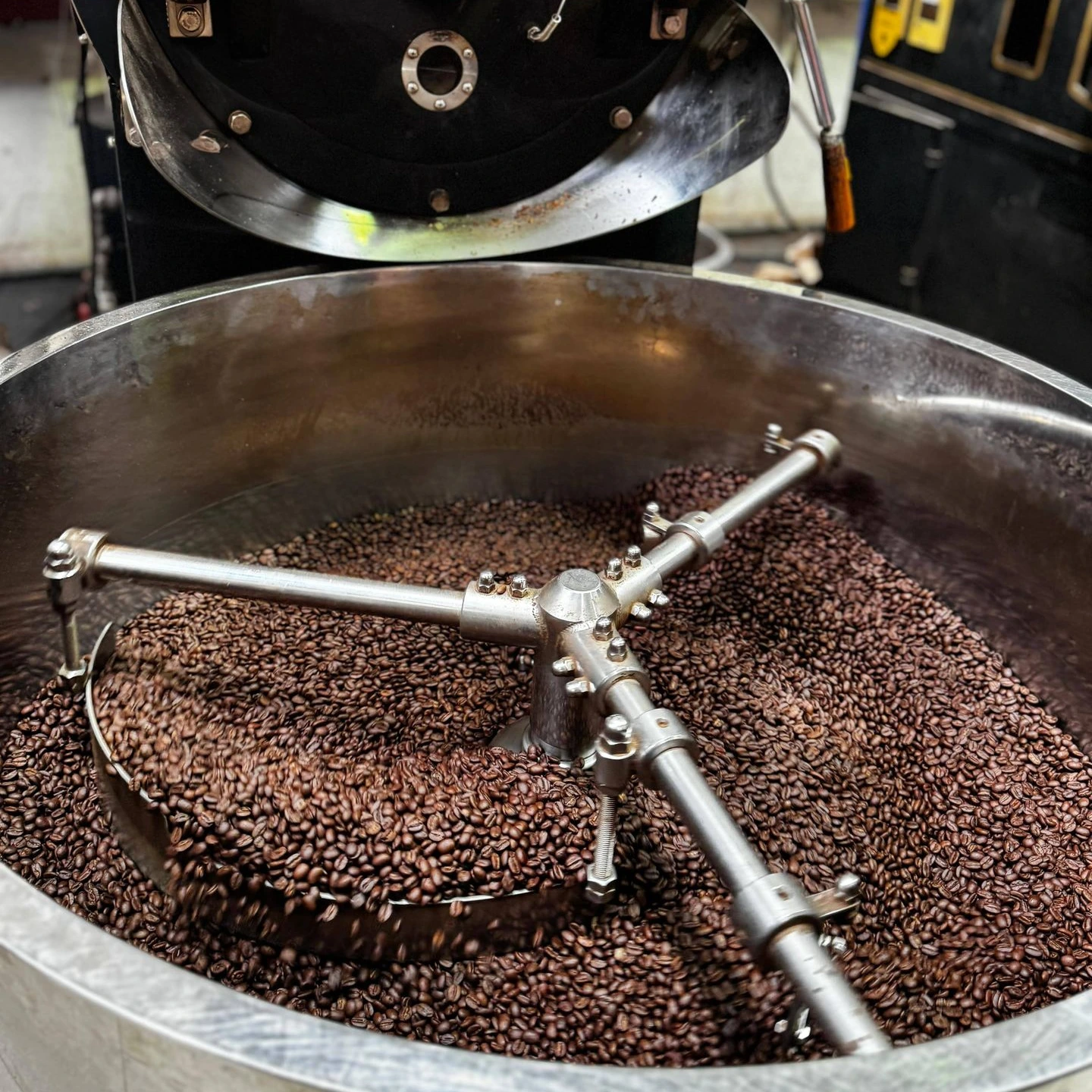
For the last few years, “roasted at origin” has become one of coffee’s most persuasive phrases. It appears on bags, café menus, and social captions, usually accompanied by a moral undertone: roasting coffee in producing countries is better, fairer, fresher, and somehow more authentic. The logic sounds simple enough — if coffee is grown in Kenya, why not roast it in Kenya too?
But like most things in coffee, the truth is a little more nuanced. Roasting at origin can be a powerful idea when done well. It can also be misunderstood, poorly executed, or used as a shortcut in storytelling. So let’s slow down, pour a cup, and ask the honest question: **is roasted at origin truly better — and what real advantage does buying coffee from Nairobi offer today?**
Where the Idea Came From.
The push for roasting at origin emerged from a very real frustration. For decades, producing countries exported green coffee while most of the value — roasting, branding, retail — accrued elsewhere. Farmers were paid for raw material, while the “finished product” profits were realised in Europe, North America, and parts of Asia.
Roasting at origin promised to flip that script. Keep more value at home. Create skilled jobs. Build local brands. Sell coffee as a finished product rather than a commodity. In principle, it made — and still makes — a lot of sense.
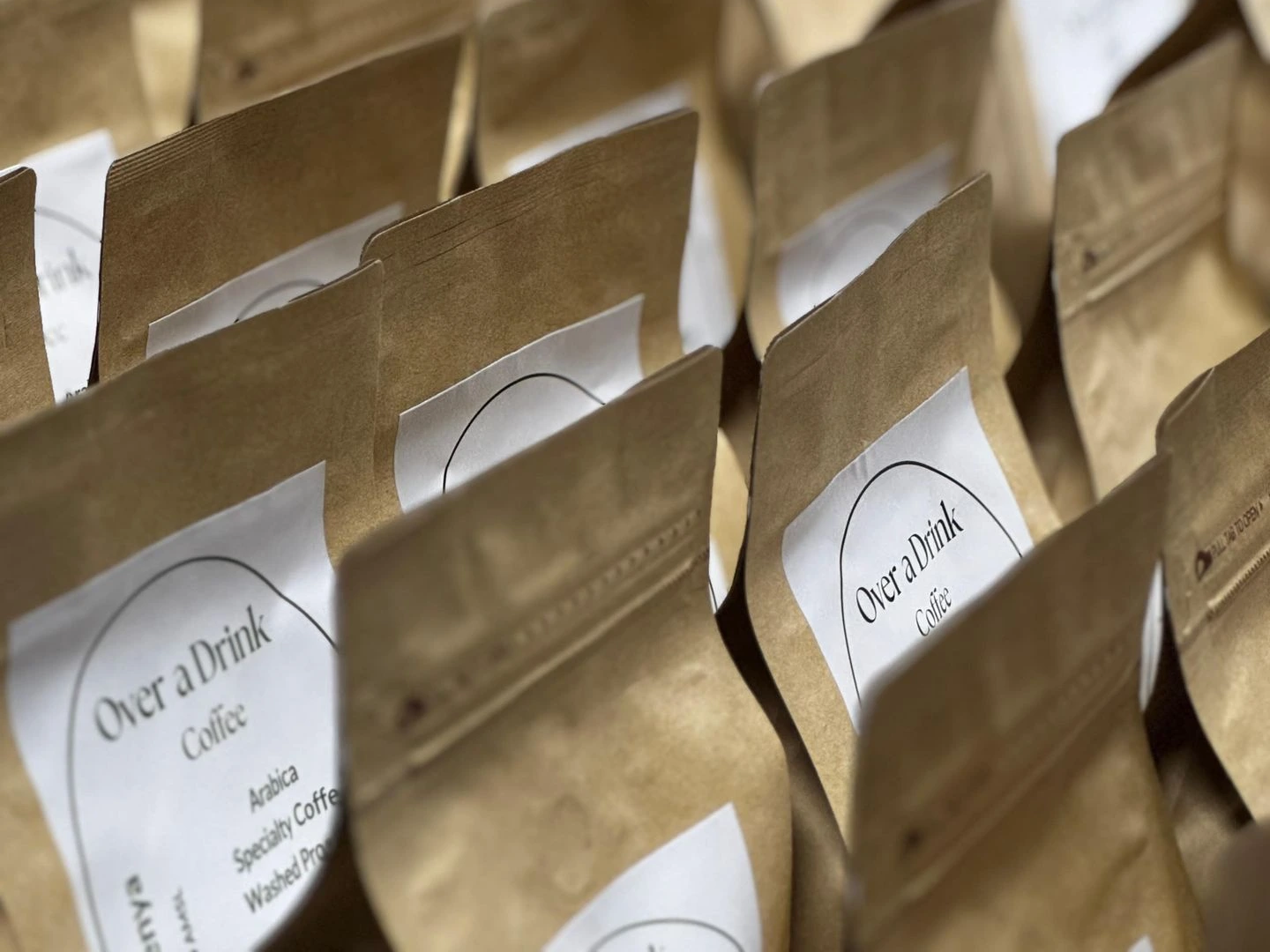
In Kenya, this idea landed on fertile ground. The country already had a reputation for exceptional green coffee, strong institutions, and a growing urban coffee culture. Nairobi, in particular, became a natural roasting hub: close to the farms, logistically connected, and home to a new generation of roasters who understood both the cup and the global market.
But ideals alone don’t make great coffee.
Freshness: The Strongest Argument.
Let’s start with the most tangible advantage of buying roasted coffee from Nairobi: Freshness.
Green coffee is remarkably stable when stored and shipped properly. Roasted coffee is not. Once coffee is roasted, the clock starts ticking. Aromatics dissipate, oils oxidise, and flavours flatten over time. Even with excellent packaging, roasted coffee ages far faster than green.
Roasting in Nairobi shortens the distance between roaster and drinker — especially for the local and regional market. Kenyan consumers, cafés, offices, and even neighbouring countries can access coffee that was roasted days, not weeks or months, earlier. That immediacy matters. It shows up in the cup as brightness, clarity, and aromatic intensity.
For Nairobi-based buyers, this is a genuine advantage — not a marketing gimmick.
Skill Still Matters More Than Geography.
Here’s where the conversation often becomes uncomfortable: roasting at origin is not automatically better roasting.
Roasting is a craft. It requires technical knowledge, calibrated equipment, sensory skill, consistency, and relentless quality control. A poorly roasted Kenyan coffee in Nairobi does not become better simply because it was roasted close to Mount Kenya.
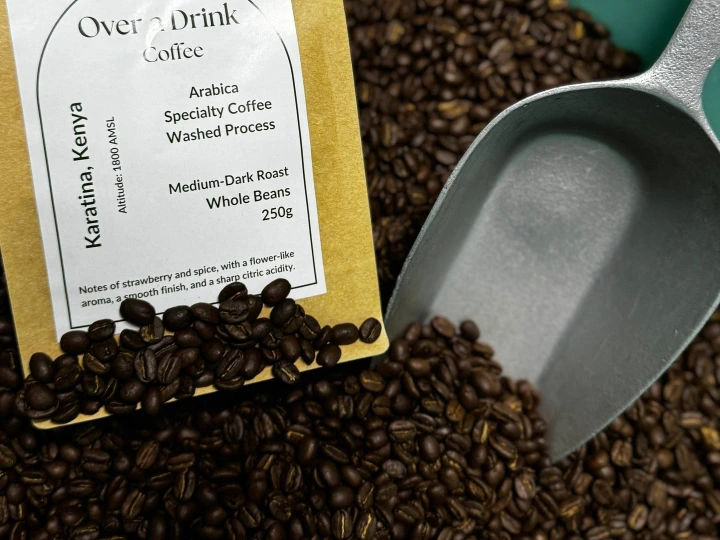
The good news is that Nairobi now hosts roasters who can compete confidently on the global stage. Many have trained internationally, invested in modern equipment, and developed a deep understanding of Kenyan profiles — from high-acid washed Nyeri lots to fruit-forward honey and natural experiments.
When you buy roasted coffee from Nairobi, you are not just buying proximity to origin. You are buying into a growing ecosystem of competent, intentional roasting that understands the coffee at a cellular level.
That combination — skill plus origin — is where the real advantage lies.
Control, Feedback, and Shorter Loops.
One underrated benefit of roasting in Nairobi is the short feedback loop between farm, mill, roaster, and cup.
Roasters are closer to the source of their coffee — not just geographically, but relationally. They can visit factories during harvest. They can cup fresh parchments, experiment with processing, and offer real-time feedback. Producers, in turn, get to taste how their coffee performs as a finished product, not just as a green sample.
This proximity accelerates learning on both sides. Processing decisions become more intentional. Roasting profiles become more informed. Quality improves faster. For buyers, this translates into coffees with clearer identities and fewer surprises
The Market Reality: Local First, Global Selectively.
Roasted-at-origin coffee works best when it understands its primary market.
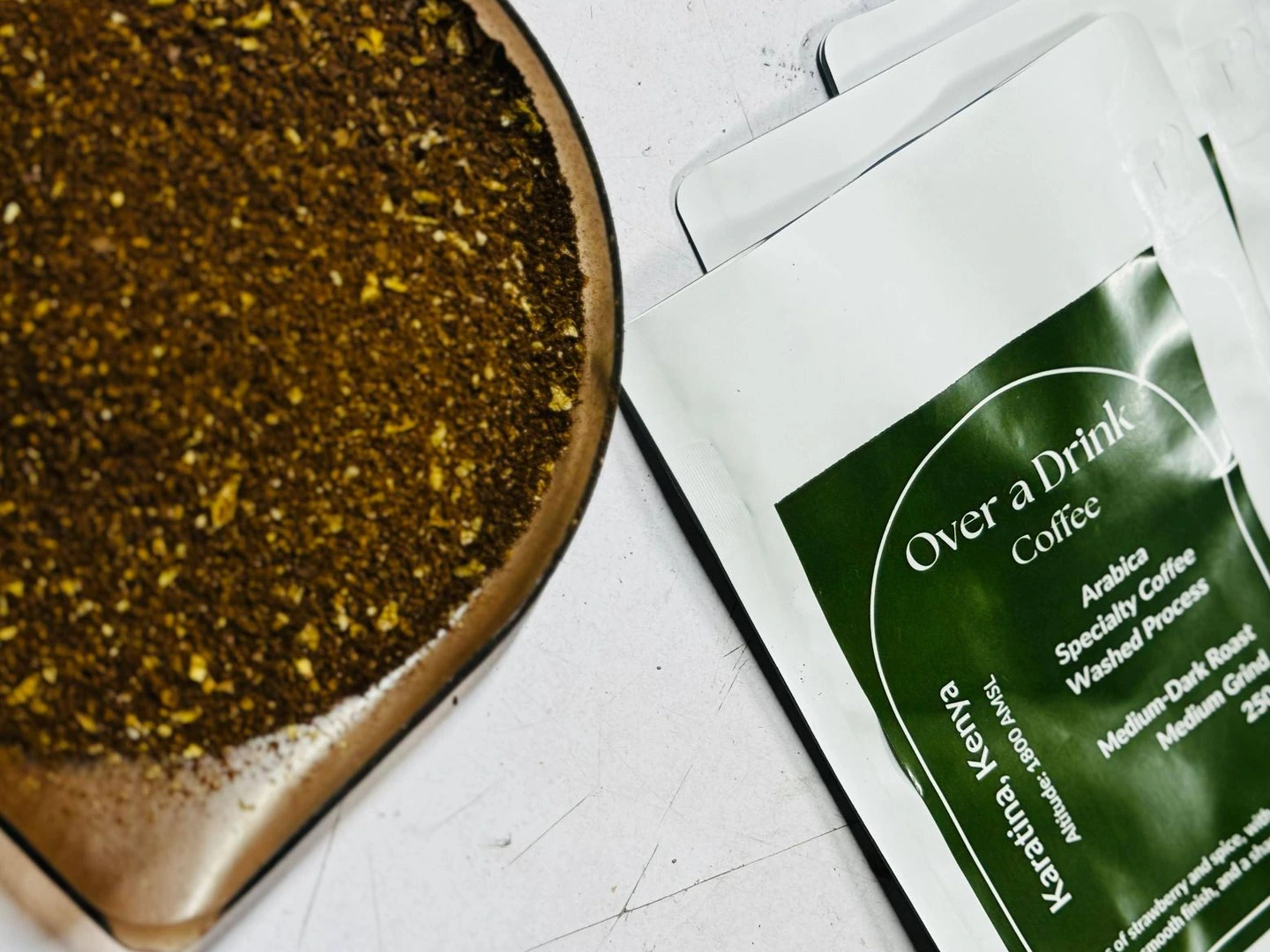
For Nairobi and the wider Kenyan market, the case is straightforward. Local consumption benefits immensely from local roasting. Cafés get fresher coffee. Consumers engage more directly with origin stories that are tangible and familiar. Value circulates within the ecosystem.
For export markets, the equation is more complex. Shipping roasted coffee internationally is expensive. Packaging must be exceptional. Volume scalability is limited. Many overseas buyers still prefer green coffee so they can roast to their own style and market preferences.
This doesn’t make roasted-at-origin exports unviable — but it does mean they work best when targeted, intentional, and premium, not as a blanket solution.
Nairobi’s strength lies in understanding this balance.
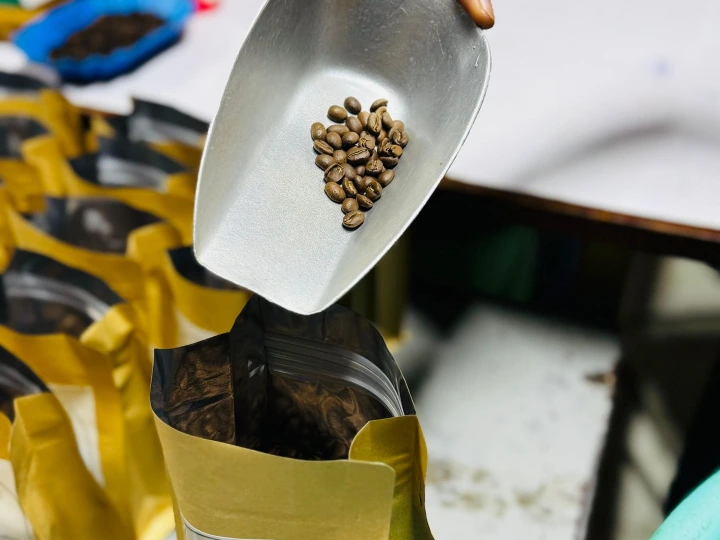
Is It Better? The Honest Answer.
So, is roasted at origin truly better?
Sometimes.
It is better when:
The roasting is skilled and consistent.
The coffee reaches the consumer quickly.
The market is local or regional.
The value addition is real, not symbolic.
It is not better simply because it sounds virtuous.
The advantage of buying coffee from Nairobi is not just that it was roasted close to where it was grown. It is that Nairobi now sits at the intersection of exceptional raw material, improving roasting excellence, and a maturing coffee culture.
That combination is rare. And when it works, it produces cups that are not just ethically satisfying, but genuinely delicious.
Final Sip.
“Roasted at origin” should not be a slogan. It should be a commitment — to quality, to skill, and to honesty.
When Nairobi roasters get it right, they offer something compelling: coffee that carries the immediacy of origin, the precision of modern roasting, and the confidence to stand on its own without borrowed narratives.
In the end, the cup decides. And increasingly, cups roasted in Nairobi are speaking for themselves.

*Over A Drink — conversations worth brewing.*
Shop Kenyan Specialty Coffee
Produced & roasted in Kenya