If there’s one word that follows Kenyan coffee everywhere it goes, it’s this: brightness.
It shows up in tasting notes — citrus, blackcurrant, grapefruit. It shows up in cupping rooms, where Kenyan coffees often stand out instantly. And it shows up in conversations, where people describe Kenyan coffee as “alive,” “electric,” or simply unforgettable.
But what exactly creates this signature brightness? Why does coffee from Kenya taste so vibrant compared to many other origins?
The answer lies in a beautiful intersection of science and environment — where altitude, temperature, plant physiology, and processing all come together in the cup.
Let’s break it down.
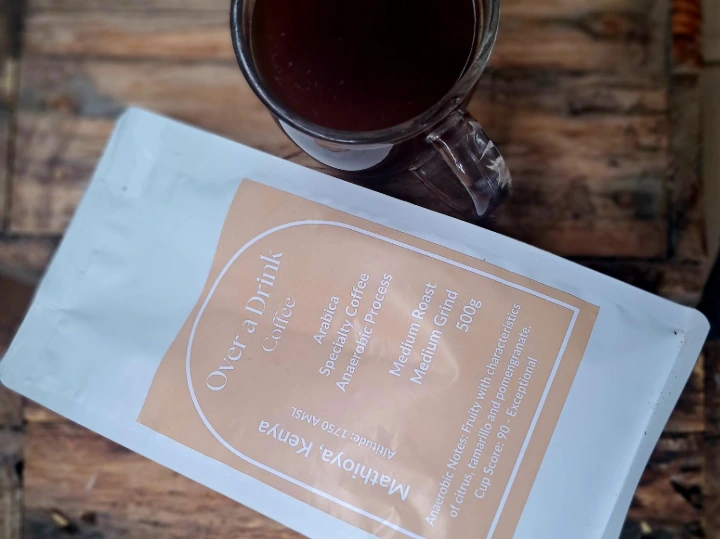
What Do We Mean by “Acidity” in Coffee?
Before we go further, let’s clear up one common misunderstanding: acidity in coffee is not a bad thing.
In fact, in specialty coffee, acidity is one of the most prized attributes. It refers to the lively, crisp, and refreshing qualities in the cup — the sensation you get from fruits like oranges, berries, or apples.
Good acidity feels:
Bright
Juicy
Clean
Structured
Poor or unpleasant acidity, on the other hand, can taste sour, harsh, or unbalanced.
Kenyan coffee is famous because its acidity is high-quality acidity: vibrant, complex, and beautifully integrated with sweetness.
Altitude: The Slow Game of Flavour Development
The first and most important factor behind Kenya’s brightness is altitude.
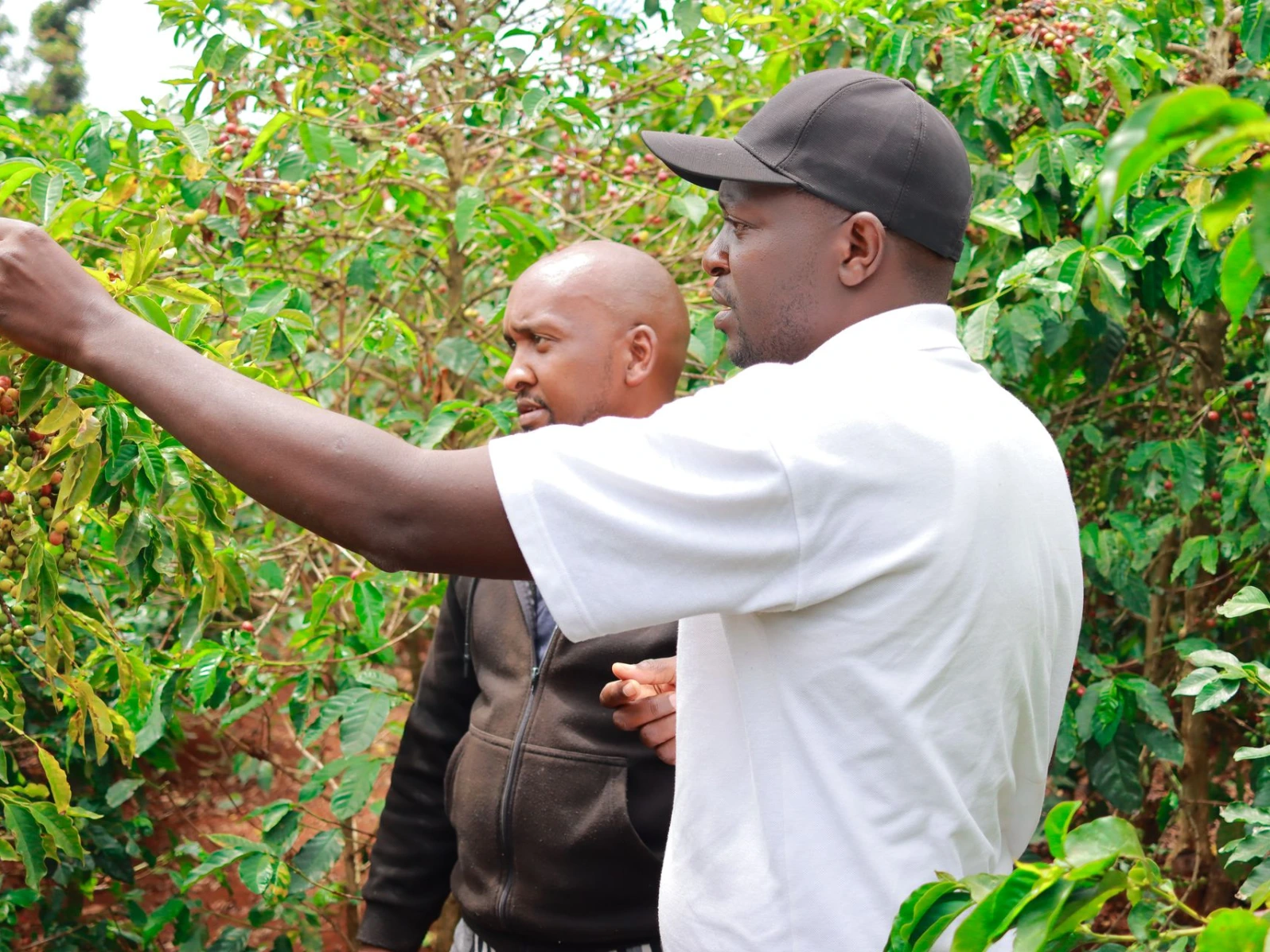
Most of Kenya’s top coffee-growing regions sit between 1,500 and 2,100 metres above sea level, particularly around the slopes of Mount Kenya and the Aberdare Ranges.
At these elevations, temperatures are cooler. And cooler temperatures slow everything down — including how quickly coffee cherries ripen.
This slower ripening process is critical.
When cherries mature slowly:
Sugars develop more gradually,
Organic acids are better preserved,
Flavour compounds become more complex.
Think of it like cooking on low heat versus high heat. Slow cooking allows flavours to build and deepen, while fast cooking can flatten them.
In coffee, slow maturation leads to denser beans, and those dense beans carry more of the compounds responsible for acidity and aroma.
That’s why high-altitude Kenyan coffees often taste more vibrant and layered than their lower-altitude counterparts.
The Chemistry of Brightness
So what’s actually happening inside the bean? Coffee contains several organic acids, including:
Citric acid (associated with citrus notes)
Malic acid (apple-like brightness)
Phosphoric acid (clean, sparkling sensation)
Tartaric acid (grape-like acidity)
Kenyan coffees are particularly known for phosphoric and citric acidity, which contribute to that sparkling, almost effervescent quality in the cup. Altitude helps preserve these acids during cherry development. But that’s only part of the story.
The balance between acidity and sweetness is what makes Kenyan coffee so compelling. As sugars develop alongside acids, they create a structured, harmonious cup — not just sharpness, but brightness with depth.
Climate: Cool Nights, Warm Days
Altitude doesn’t work alone. It interacts closely with daily temperature variation. In many Kenyan growing regions, days are warm enough to support photosynthesis, while nights are significantly cooler. This difference — often called the diurnal temperature range — plays a key role in flavour development.
Warm days allow the plant to produce sugars. Cool nights slow respiration, meaning those sugars are not rapidly consumed by the plant. The result is more retained sugars, more preserved acids, and ultimately, a more vibrant cup.
This balance of warm and cool is one of the quiet secrets behind Kenyan coffee’s consistency.
Processing: Protecting the Brightness
Even with perfect altitude and climate, poor processing can dull a coffee’s potential. Kenya’s washed processing system is designed to protect and highlight acidity. After harvesting, cherries are:
Carefully sorted
Depulped
Fermented to remove mucilage
Washed in clean water
Dried slowly on raised beds
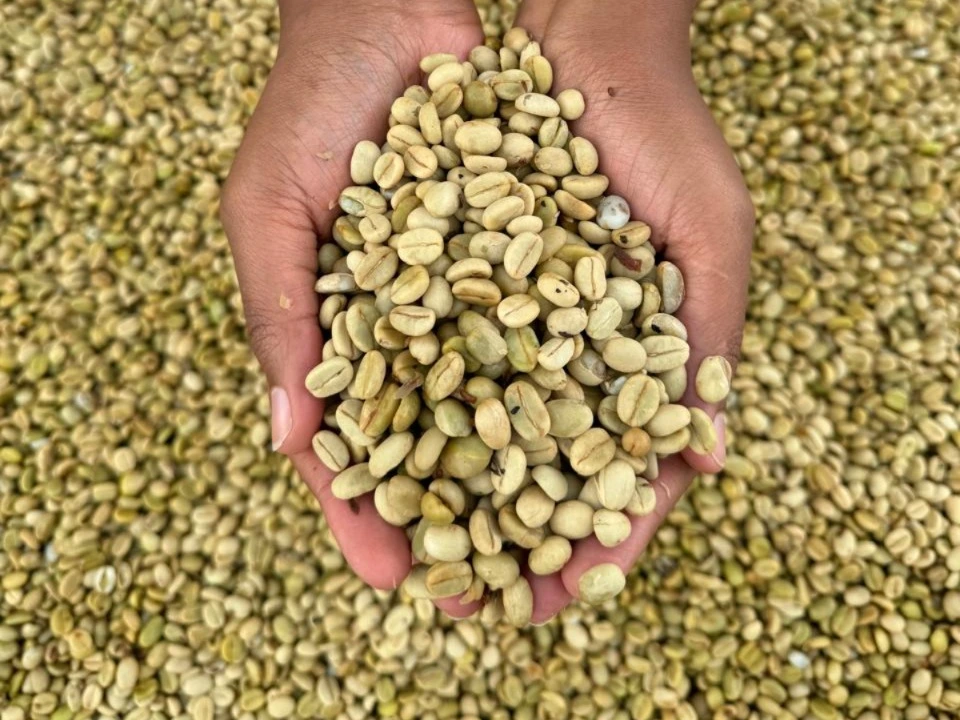
This method removes most of the fruit material early in the process, allowing the intrinsic characteristics of the bean — including its acidity — to shine through clearly. The result is a cup that feels:
Clean
Transparent
Well-defined
Some Kenyan producers are now experimenting with honey and natural processes, which can soften or reshape acidity into more rounded, fruit-forward profiles. But the classic washed style remains the benchmark for showcasing Kenya’s signature brightness.
Roasting: Translating Science into the Cup
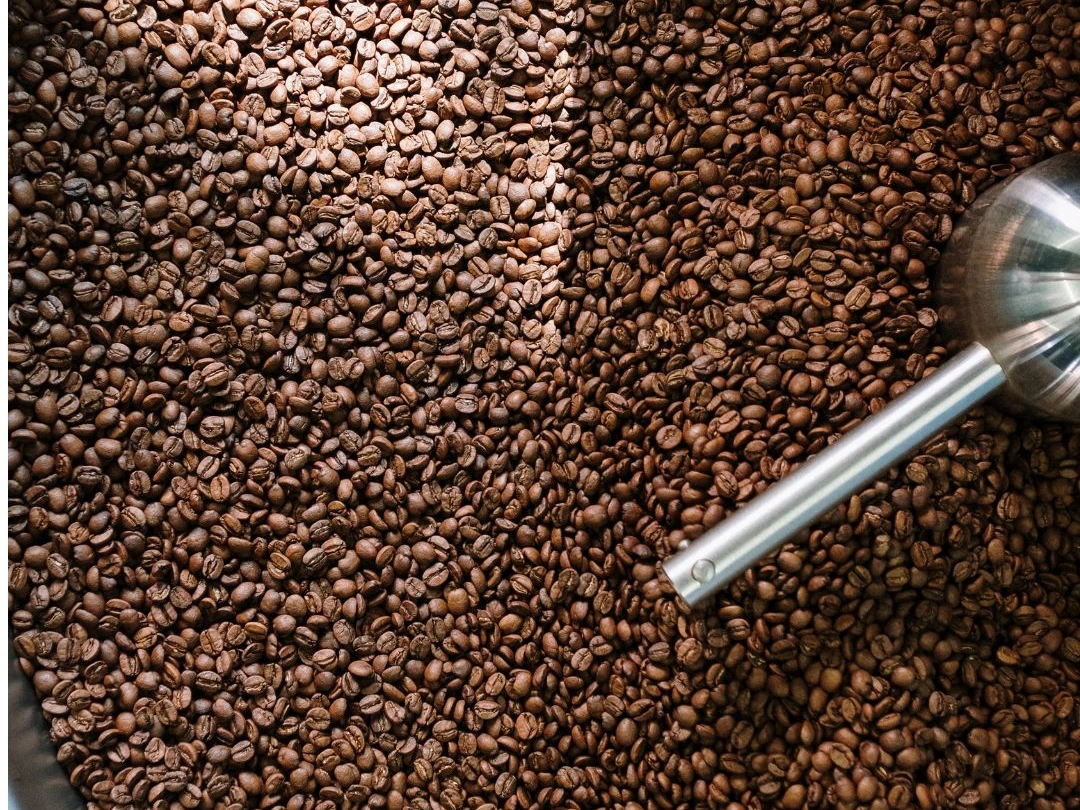
Even the best green coffee needs careful roasting to express its full potential. Kenyan coffees, with their high density and complex chemistry, require precise roast profiling. Roasters must balance heat application to preserve acidity while developing sweetness.
Roast too light, and the coffee may taste sharp or underdeveloped. Roast too dark, and the delicate acids can be muted or lost. When done well, roasting transforms those preserved acids and sugars into a cup that feels lively, structured, and complete.
This is where science meets craft.
Why Kenyan Brightness Stands Out
Many coffee origins produce acidity. But Kenyan coffee stands out because of the quality, intensity, and clarity of that acidity. It’s not just bright — it’s expressive. It doesn’t just sit on the surface — it carries through the entire cup.
And importantly, it evolves as the coffee cools, revealing new layers with each sip. This dynamic quality is why Kenyan coffees are so highly valued in competitions, auctions, and speciality cafés around the world.
Final Sip
Kenyan coffee’s signature brightness is not a coincidence. It is the result of altitude, climate, chemistry, processing, and skilled roasting working in harmony. From the cool highlands where cherries ripen slowly, to the careful hands that process and roast them, every step contributes to that vibrant, unmistakable cup.
So the next time you taste a Kenyan coffee and notice that lively citrus snap or berry-like sparkle, you’re not just experiencing flavour — you’re experiencing the science of altitude in action.

Over a Drink — conversations worth brewing.