A sip that bewilders.
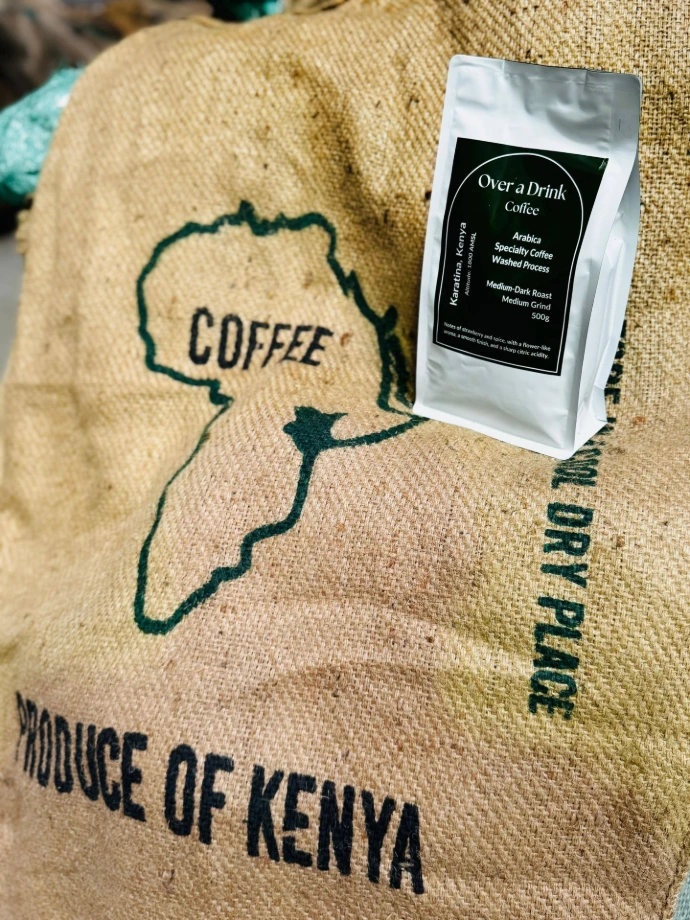
If you’ve been in coffee long enough, you’ll know that few words excite buyers, roasters, and baristas quite like “Mount Kenya.” For many, it’s shorthand for quality. For others, it’s a flavour destination — a place where citrus, berry, florals, sweetness, and structure come together in a cup that feels both familiar and surprising. And for producers, it’s a badge of honour, a signal that their hard work is part of a region that has defined Kenyan coffee for generations.
But what exactly makes Mount Kenya coffee this special? Why do its beans consistently appear on auction leader-boards, in high-end cafés around the world, and on cupping tables where palates go silent out of respect?
A Mountain That Behaves Like a Coffee Machine
Mount Kenya isn’t just a mountain. It’s a natural processing system designed by geography, climate, and time. At its core are things we often discuss over coffee — altitude, soil, rainfall — but here they converge in unusually perfect harmony.
Altitude that shapes flavour
The coffee belt around Mount Kenya stretches roughly between 1,500 and 2,100 metres above sea level — a height that slows the growth of the coffee cherry. Slow growth = dense beans = more sugars, more aromatics, and a more structurally complex cup.
This density is why coffees from Nyeri, Kirinyaga, Embu, Meru, and the slopes of Mathira and Mukurweini often deliver:
Berry-like acidity
Bright citrus notes
A syrupy sweetness
Long aftertastes that linger like a good story.
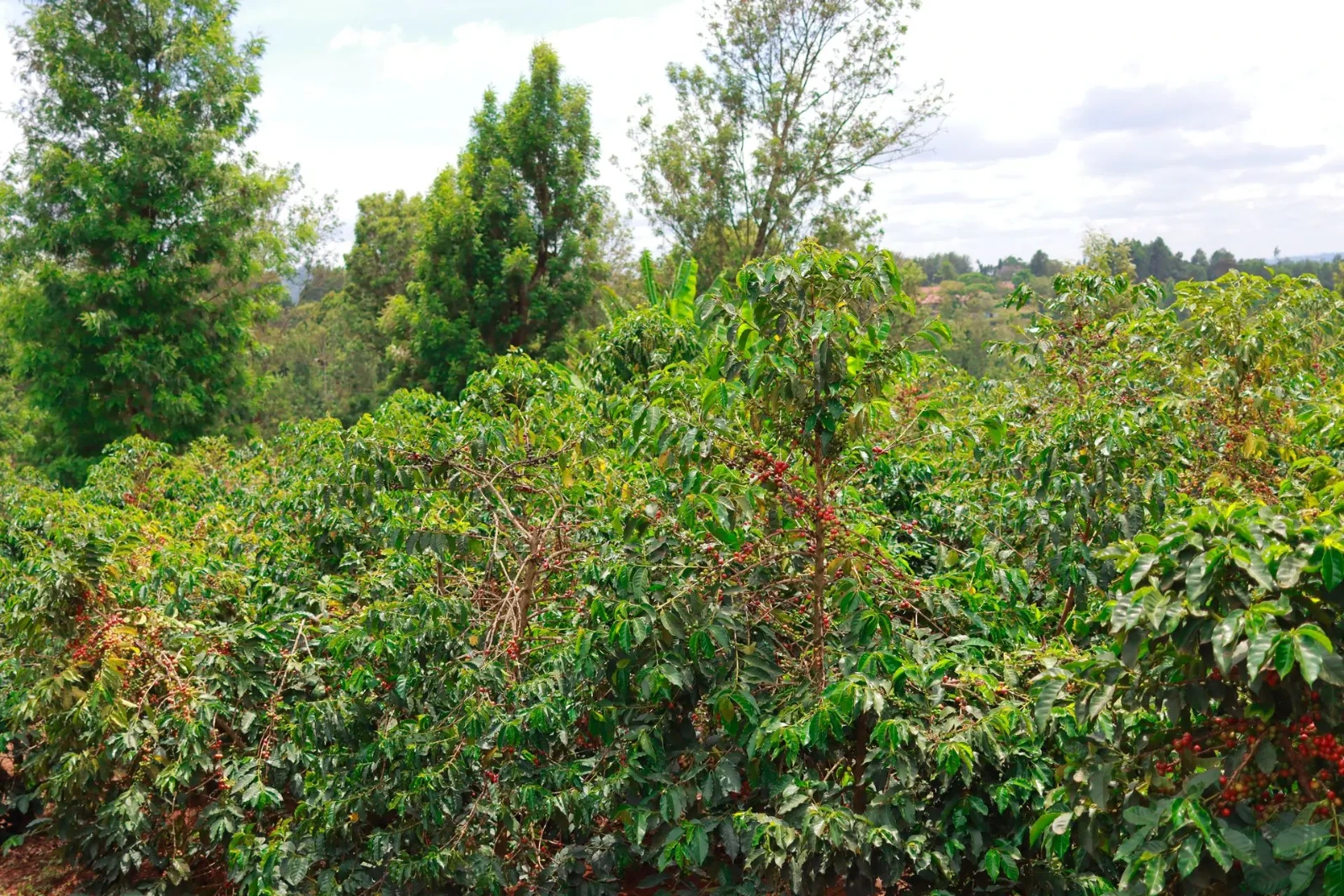
In the cup, you feel the altitude immediately — it’s the difference between a simple brew and a layered experience. Volcanic soils that act like a buffet for coffee trees.
Mount Kenya is a dormant volcano. Its soils are rich in iron, minerals, and organic matter, creating a nutrient-rich environment for coffee. Trees here don’t just grow — they thrive.
Farmers across these slopes often joke that “the soil is doing half the work,” but there’s truth in it. Volcanic soils improve:
Bean size
Nutrient absorption
Plant resilience
Flavour clarity
This combination produces coffees that taste “alive,” with flavours jumping out of the cup almost theatrically.
Mount Kenya’s weather is one of the region’s secret ingredients. The bimodal rainfall pattern — long rains and short rains — gives farmers two flowering cycles, meaning well-paced cherry development and consistent annual production.
Water sources such as the Nyamindi, Thiba, Chania, and Ragati rivers feed washing stations, making wet processing smooth, reliable, and clean.
Clean water → clean cup → clean reputation.
A Producer Culture That Treats Coffee Like Craft
While geography sets the stage, it’s the people on these slopes who truly shape the cup.
Smallholder excellence.
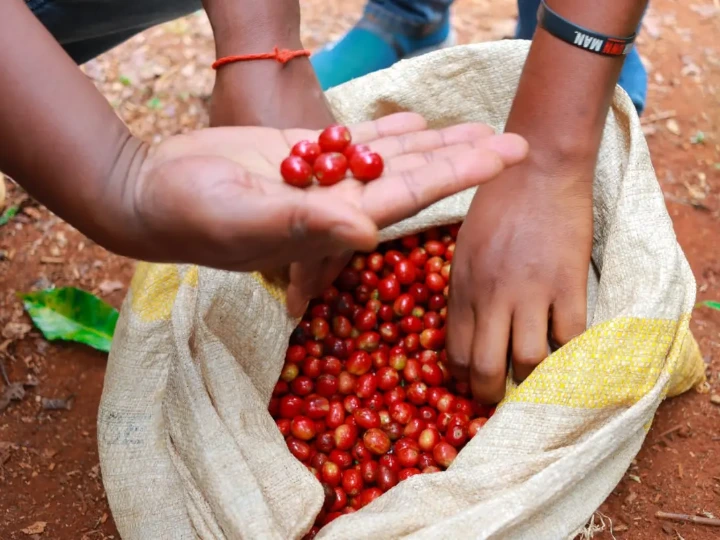
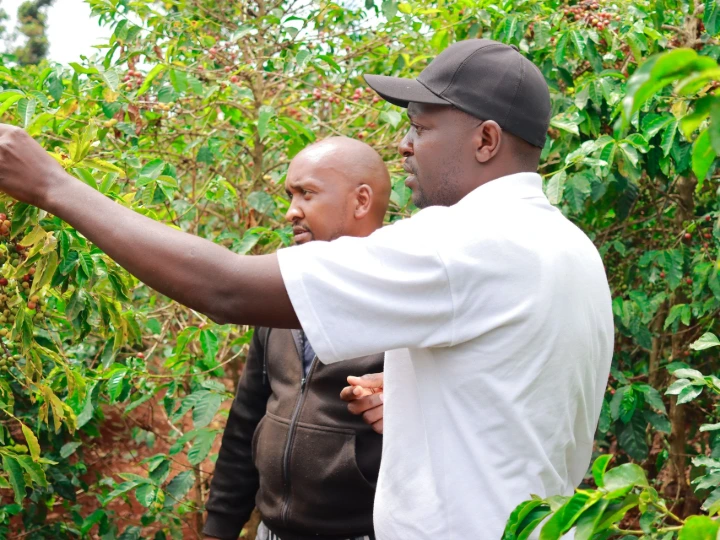
Smallholder farmers dominate the Mount Kenya coffee landscape, many with half-acre to 10-acre plots. These farmers deliver cherries to cooperatives and wet mills that have honed their craft over decades.
A typical smallholder in Kirinyaga or Nyeri will:
Hand-pick only ripe red cherries
Deliver to the factory the same day
Participate in community training on pruning, feeding, and fungicide control
Engage in field days during the main crop
Discuss cup feedback (yes, many of them know what SL28 tastes like vs Ruiru 11)
Quality here isn’t luck — it’s culture.
Classic cultivars with cult followings.
Names like SL28 and SL34 have become legends in the coffee world, and Mount Kenya is one of their strongholds.
SLs bring:
High acidity
Complexity
Distinctive blackcurrant and citrus
Beautiful structure
Ruiru 11 and Batian, on the other hand, are becoming increasingly important for disease resistance and climate resilience — and when well managed, they deliver excellent results.
Mount Kenya is like a coffee genetics museum — but one still producing modern masterpieces.
Processing That Makes Buyers Nod in Approval
Kenyan coffee is known for its wet-processing method, and around Mount Kenya, the systems are especially refined.
Washed process typical journey:
Selective handpicking
Reception and sorting at the factory
Pulping using water from glacier-fed rivers
Fermentation (12–48 hours depending on temperatures)
Washing and grading in channels
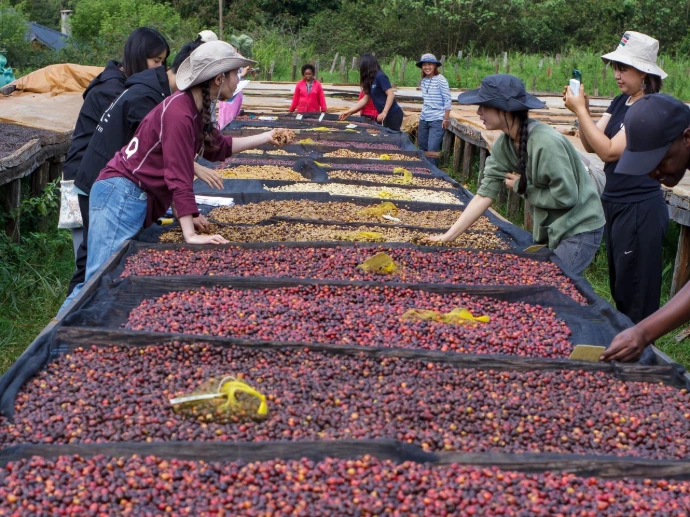
Drying on raised beds
Resting and milling
The result?
Clean
Transparent
Citrus-forward
Elegantly acidic
Consistently high scoring
A cup that is:
Experimentals are joining the party.
More washing stations and estates are now producing:
Honey process
Naturals
Anaerobic fermentations
Carbonic maceration
These lots often showcase:
Tropical fruit
Jammy sweetness
Winey character
Soft acidity
Mount Kenya is quietly diversifying its flavour identity — and the market loves it.
A Reputation Built Over Generations
You can’t talk about Mount Kenya coffee without acknowledging its legacy.
For decades, Kenya has run a competitive auction system. Mount Kenya factories such as: Gathaithi, Kiamabara, Kii, Mugaga, Ichamama, Kagumoini, Karimikui often appear in the top price slots.
Buyers trust the name because history has proven its reliability.
Global demand
From Tokyo to Oslo, New York to Melbourne, roasters actively hunt for Mount Kenya lots. Some sign long-term relationships, others compete fiercely at auction. Why?
Because in the cup, Mount Kenya coffee does what few coffees do:
It stands out.
It is unmistakably Kenyan.
It tells a story.
Even blind cuppers are known to say, “This is Nyeri,” before the reveal.
The Flavour Experience: What Makes the Cup So Iconic?
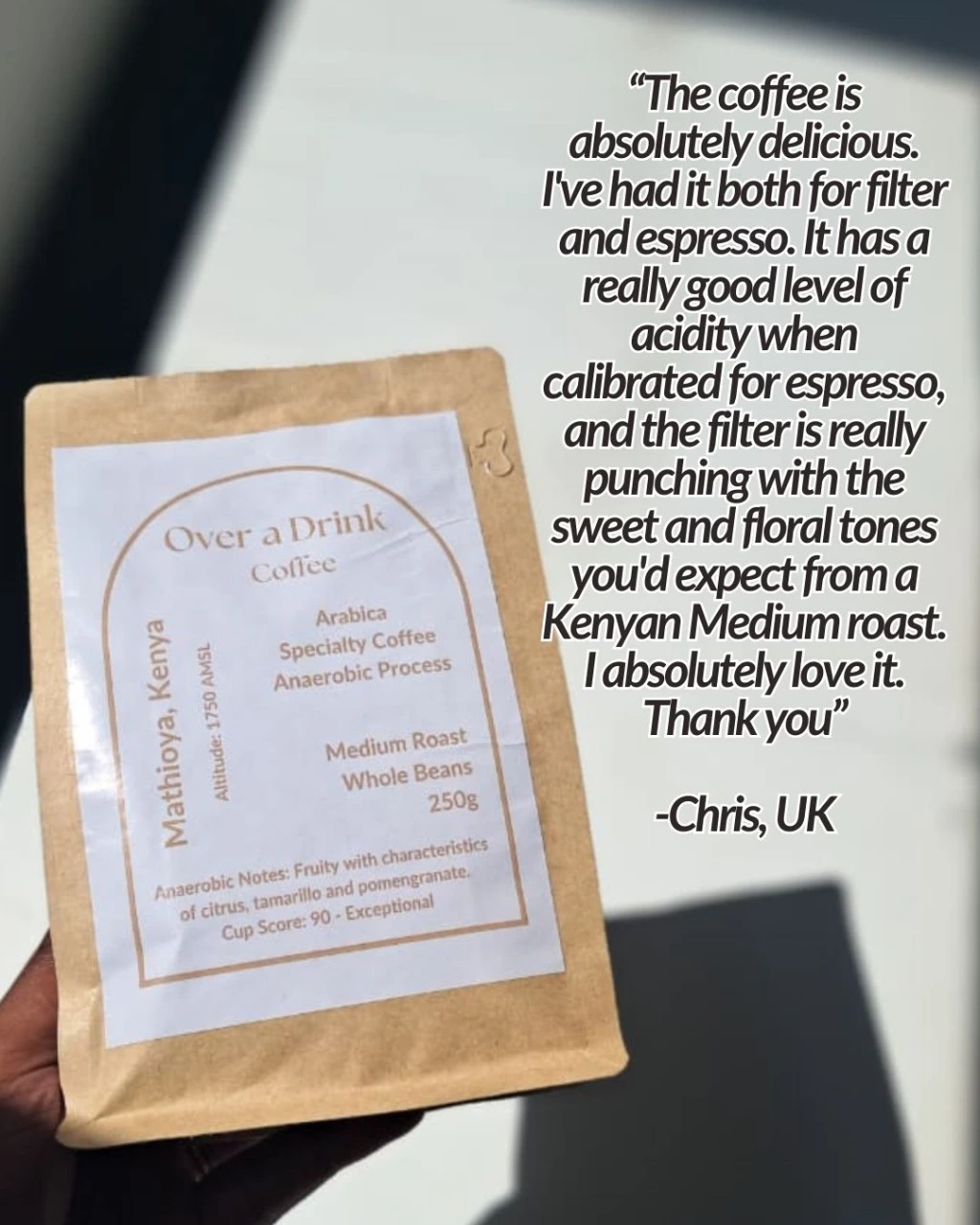
Roasters often describe Mount Kenya coffees with big, bold sensory language — because the cups themselves are expressive. Expect profiles like:
Blackcurrant, Cranberry, Red currant, Ruby grapefruit, Mandarin, Lemon zest, Sweet tomato, Caramel, Florals, Winey berry notes.
It’s coffee that feels like a conversation — one that starts bright, deepens as it cools, and finishes with a confident, almost cheeky flourish.
Kenyan coffee doesn’t whisper; it speaks clearly.
So, Why Is Mount Kenya Coffee So Prized?
Because it is the sum of:
A rare microclimate
High altitudes
Volcanic soils
Skilled smallholders
Legendary varieties
Clean water sources
Time-honoured processing
Consistent high cupping scores
A global reputation built cup by cup
It’s not hype. It’s heritage — one sip at a time.
Closing Sip
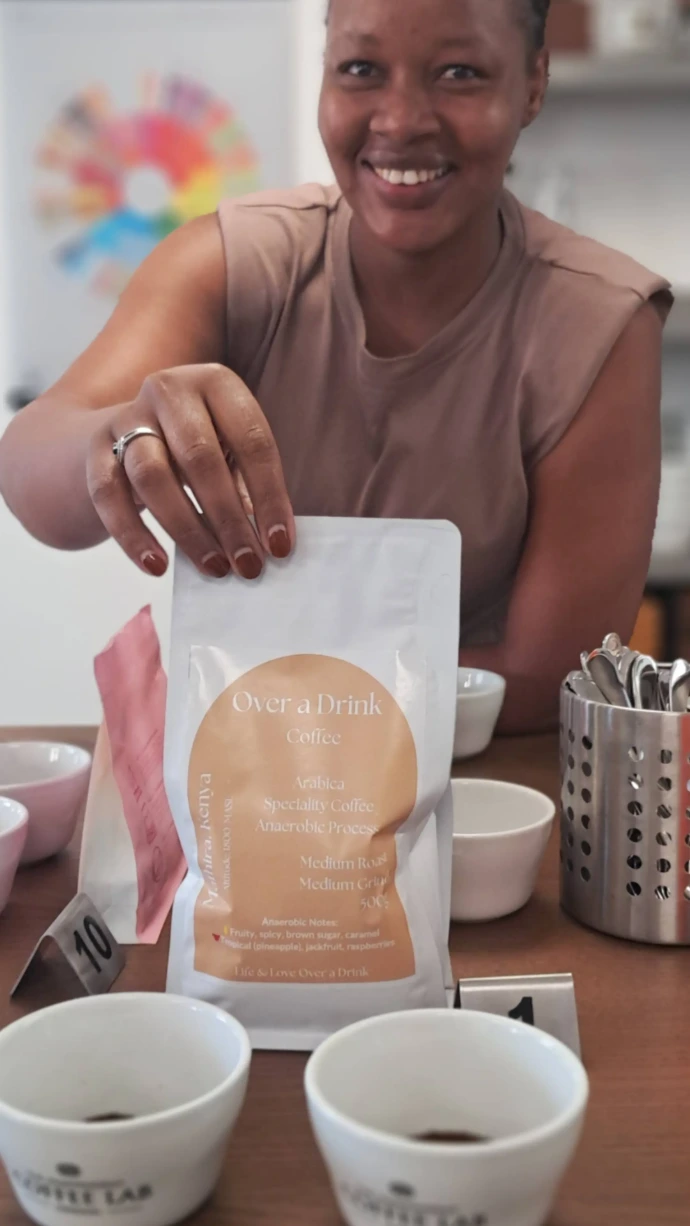
Whether you’re a roaster looking for a showstopper, a barista hunting for clarity and brightness, or a coffee lover seeking the best of what Kenya has to offer, Mount Kenya is the region that keeps delivering.
And as producers continue refining their craft, experimenting with new processes, and adapting to climate realities, the mountain’s next chapter might be its most exciting yet.
So raise your cup — because Mount Kenya coffee isn’t just prized globally…
It’s loved, respected, and fought over.
For good reason.
Join us for our December Friendly Cupping, a celebration of 12 coffees of Christmas from Kenya and around the world.